 AExcellent
San Tan Valley, AZ
ASP - America's Swimming Pool Company of Queen Creek
- Pool service
- Pump repair
- Pool repair
- +3 more
- 4.8 · 225
- In business
- 21 yrs
- ROC no.
- Listed
Service · Phoenix metro
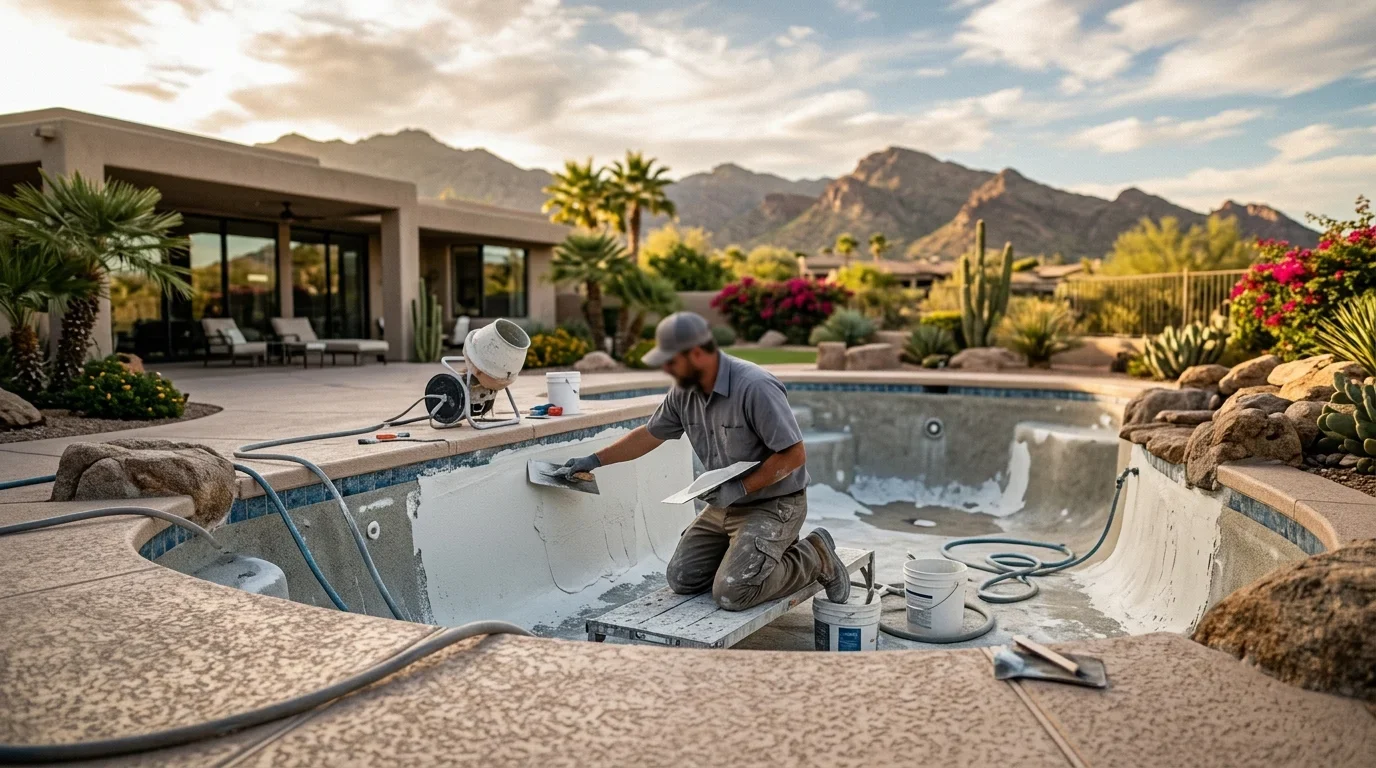
General swimming pool repair, including cracks, structural and surface damage, and failing components in gunite/plaster pools.
141 listed Valley companies say they do this.
Cracks, Dead Lights, Failing Pumps: Fix It Right
Pool damage in Phoenix-area backyards gets worse in the heat, and the wrong hire costs more than the repair.
01
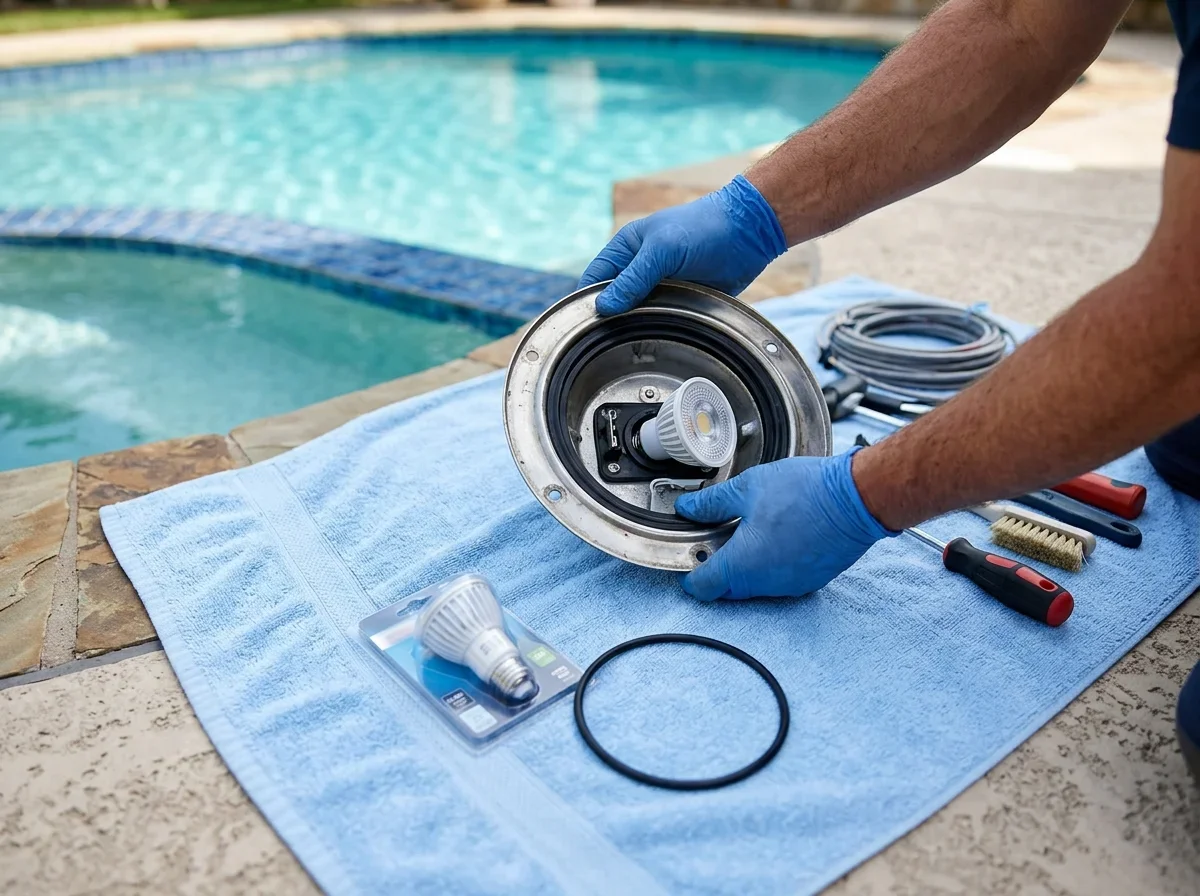
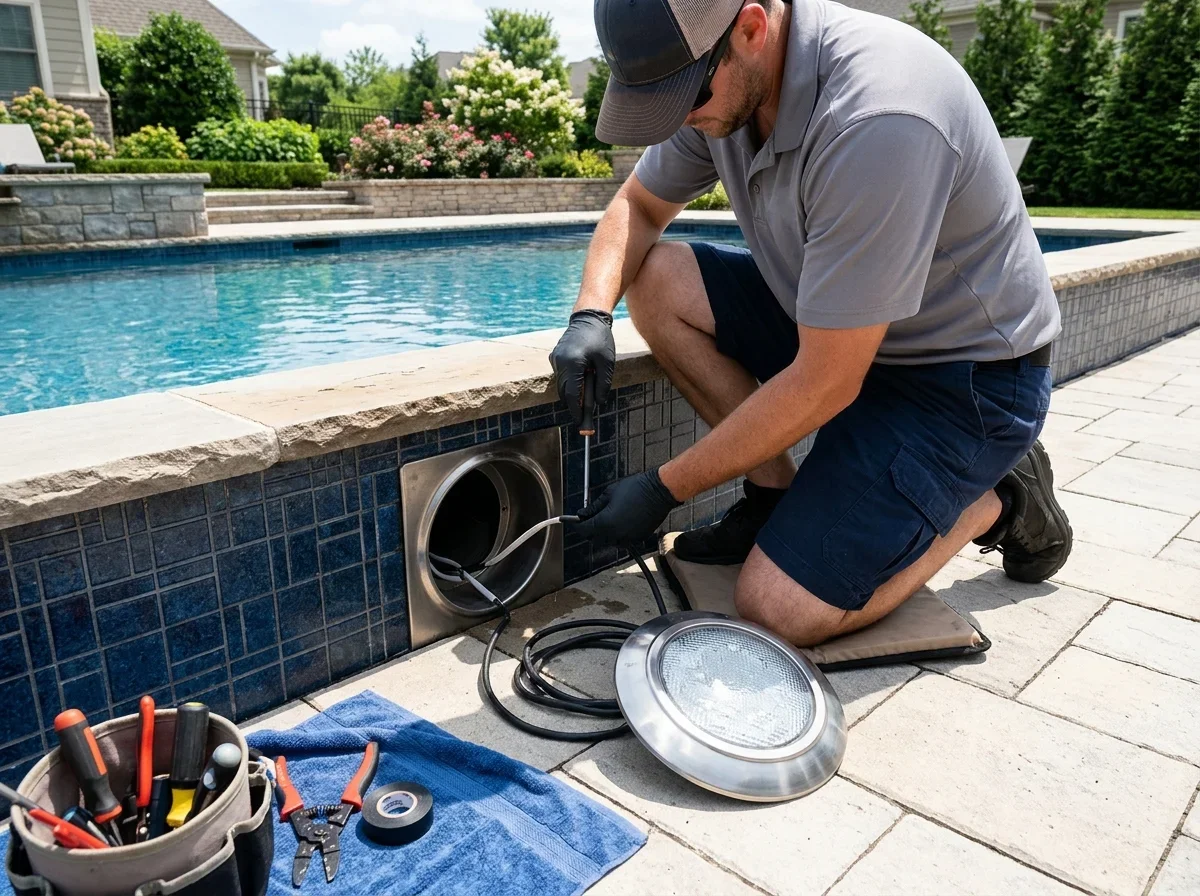
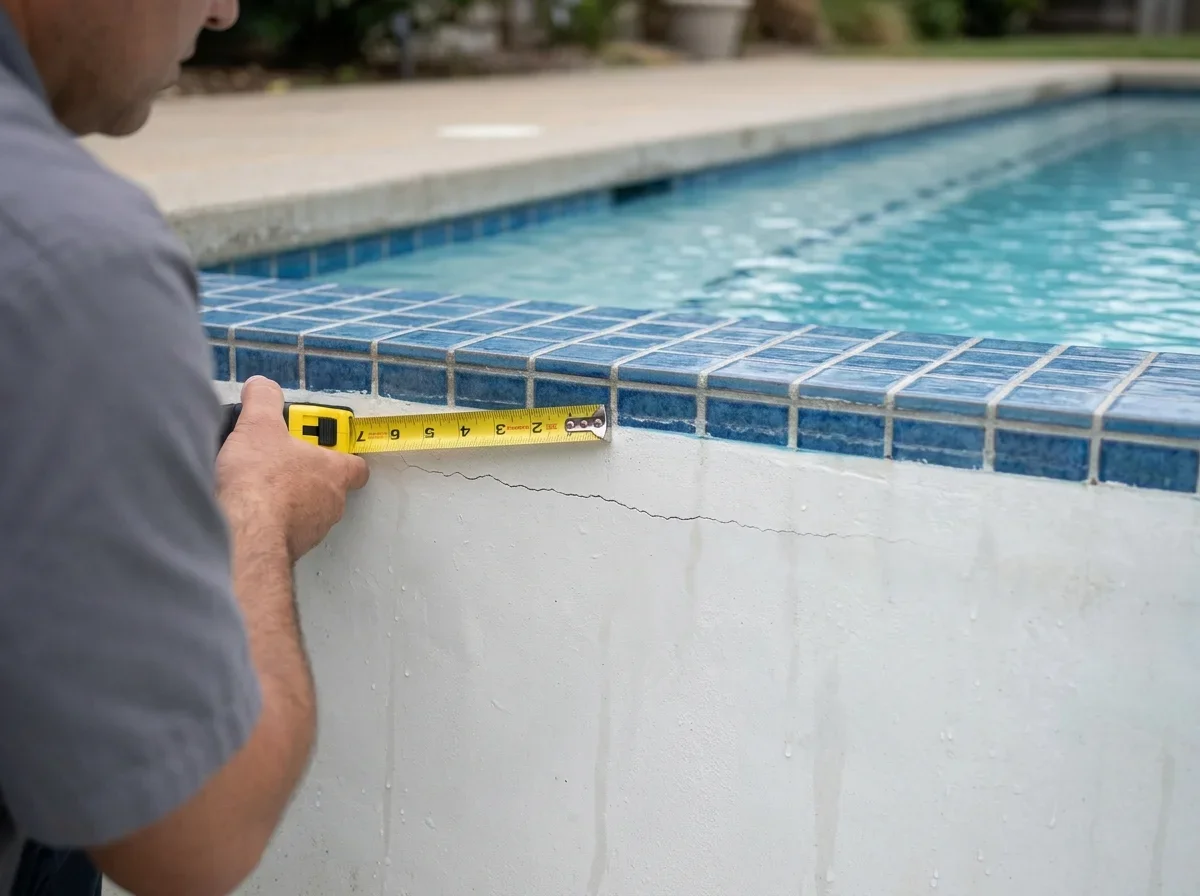
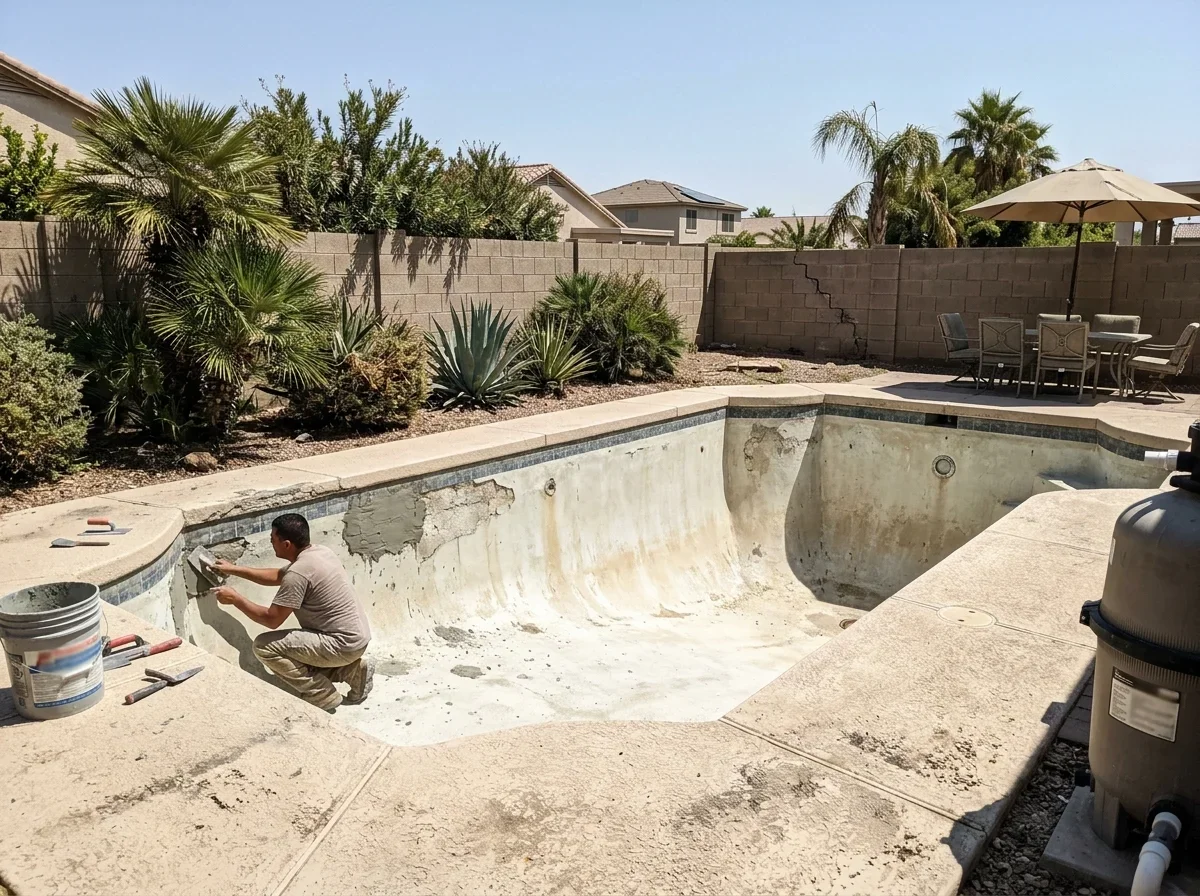
Pool repair for gunite and plaster pools covers cracks, structural and surface damage, and failing parts such as lights, pumps and equipment. In Phoenix, Mesa and Chandler, many pools sit behind homes built around 1985. Aging plaster and equipment are common repair triggers.
Watch for these:
Pump failures tend to peak June through August, when Phoenix highs average about 106°F and electrical loads climb.
Sound familiar? A hairline crack, a light that flickers. You ignored it through the summer. Now the damage has spread and the repair is bigger.
Waiting rarely shrinks a repair.
Stop and call a pro for anything involving electrical circuits, gas or structure.
02
Price depends on the type of damage, access, parts, and whether electrical work is involved. In Phoenix, caliche hardpan can sit just 1 to 6 feet down, which makes access a real cost driver for structural or plumbing repairs. A light job shows how wiring and electrical safety change the bill: see how much pool light replacement costs.
The figures below come from Phoenix-area pool companies' own websites, checked October 2026. They are general guidance, not quotes.
| Item | What the sites say |
|---|---|
| Diagnostic or service-call fee | Most list $85 to $95 (full spread $75 to $105) |
| Equipment repair | One company's site says $80/Hour + Parts, with a 30-minute minimum |
| General swimming pool repairs | One company's site says $100 to $20,000 |
| Cracks, structural or surface work | Depends on the job |
| Work involving electrical or plumbing connections | Depends on the job |
That $100 to $20,000 spread is the point: a small fix and a major one share a name.
Price factors
What moves the price of a pool repair
Type of damage
Cracks, structural or surface work cost more than a small fix
Access
Caliche hardpan 1 to 6 feet down makes digging harder
Parts
Equipment repair is billed as labor plus parts
Electrical or plumbing connections
Wiring and safety work add to the bill
Get an itemized written quote that separates labor, parts and any permit costs.
03
A pool repair job runs in six steps, summarised here and detailed below.
Step by step
How a pool repair job runs
Inspection
The contractor finds the cause, not just the symptom.
Quote
You get a written contract with the license number and price.
Permit check
The contract names who pulls any permits.
Repair
Work proceeds within the license class.
Testing
Pumps, lights and circulation are run before sign-off.
Handover
You get the final paperwork and an account of the work.
City offices check licensing in different ways. Mesa asks for a Contractor Licensure Verification Form on pool permits, and Scottsdale's application asks for the ROC number.
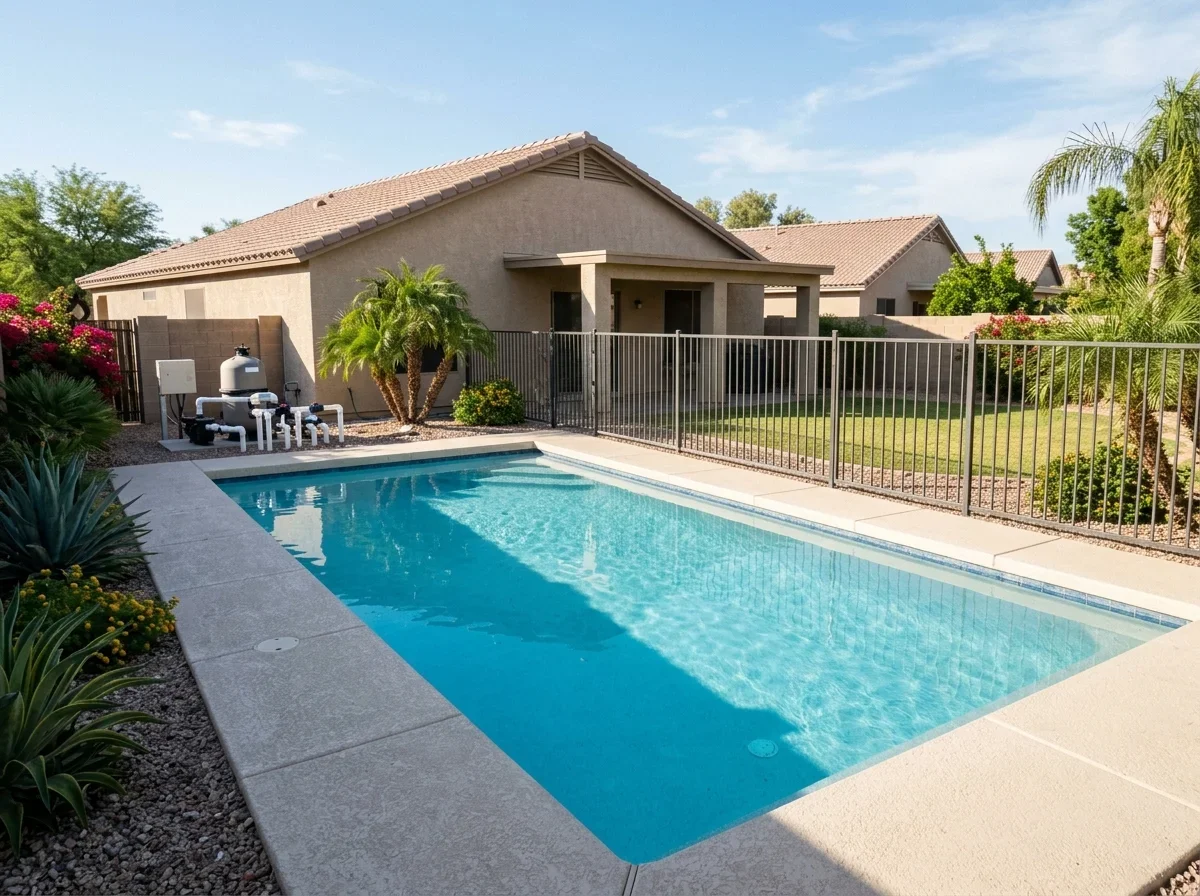
If a repair touches the barrier, a new permit is required to alter or repair an approved pool barrier. The barrier must be at least five feet high, with no opening a four-inch ball can pass through.[2]
Pool sweeper repair is usually a component or equipment job. Liner repair applies to vinyl-lined pools, not gunite.
Browse the listings for pros who handle either.
04
Arizona requires an ROC license for pool repair. R-6 covers service and minor repair of residential pools, but excludes gas lines, potable-water plumbing connections, and electrical work beyond the first disconnect. B-5 covers broader construction and repair, plus code-required pool barriers.[1]
| Job | Class |
|---|---|
| Service and minor repair | R-6 or CR-6 |
| Broader repair, remodels, barriers | B-5, B-6, KA-5 or KA-6 |
Before you hire in Scottsdale, Gilbert or Tempe:
"Licensed, bonded and insured" proves nothing on its own.
Checklist
Verify before you hire
0 of 5 ticked
Tick them off as you go. Nothing is saved or sent.
The ROC requires workers' compensation, not general liability. The complaint window is two years, and owners who hire unlicensed entities have no ROC recourse.
Pentair, Hayward and PHTA credentials are optional extras, not licenses. For help comparing, see questions to ask before hiring and which license fits your job, then compare the pros listed below.
Neither is universally better; the right choice depends on the pool's condition and your budget. Replastering (a standard plaster refresh) is the most common and cost-effective option when the existing surface is sound, while resurfacing with pebble or quartz finishes costs more but offers greater durability, a smoother feel, and more design choices. In the Phoenix area, where intense sun and hard water shorten plaster life, many owners choose a pebble or quartz upgrade when they are already paying for a refinish.
A licensed pool contractor can inspect the shell for cracks, delamination, or hollow spots before recommending either option.
AExcellentSan Tan Valley, AZ
 AExcellent
Phoenix, AZ