LCBGood
Phoenix, AZ
Love Pool Care
- Pool service
- Pump repair
- Pool repair
- +4 more
- 4.8 · 377
- In business
- 25 yrs
- ROC no.
- Listed
Service · Phoenix metro
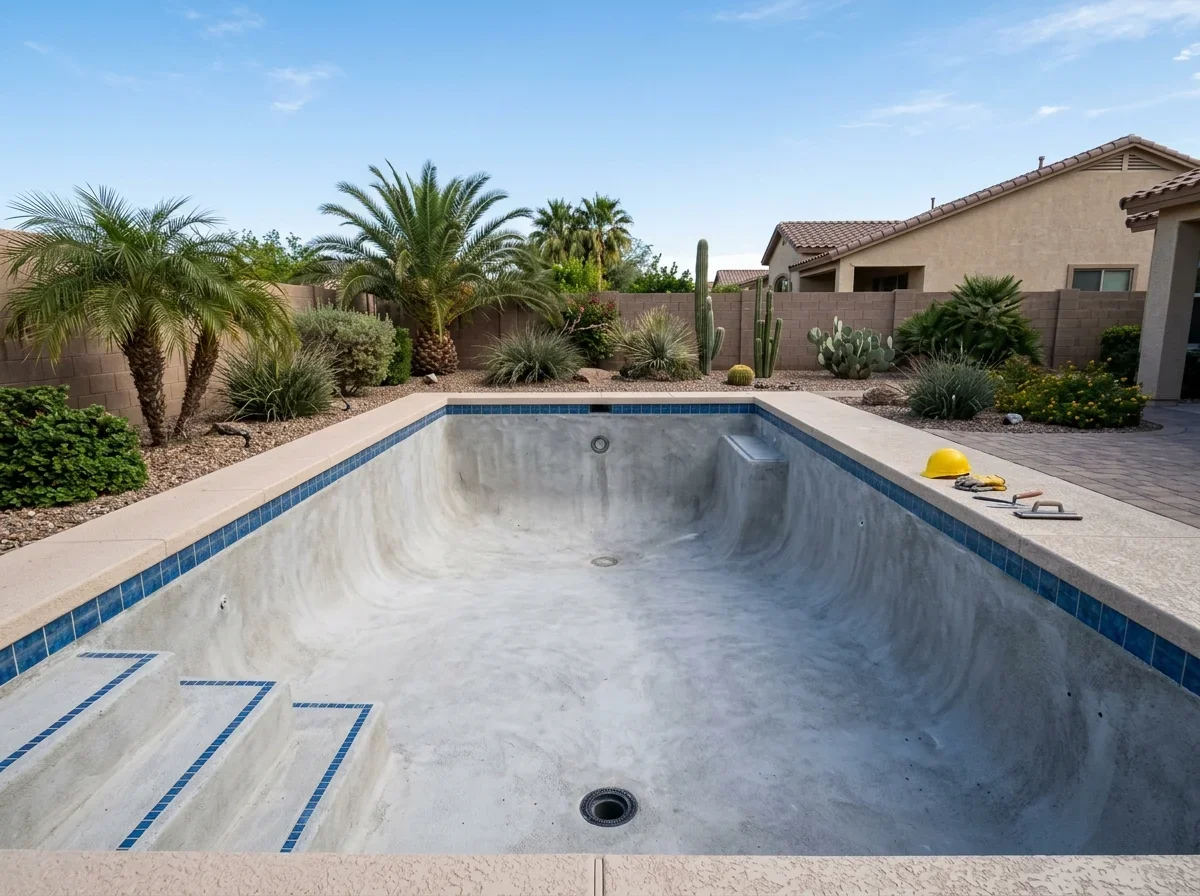
Draining and refinishing worn pool interiors with fresh plaster, quartz, or pebble finishes.
47 listed Valley companies say they do this.
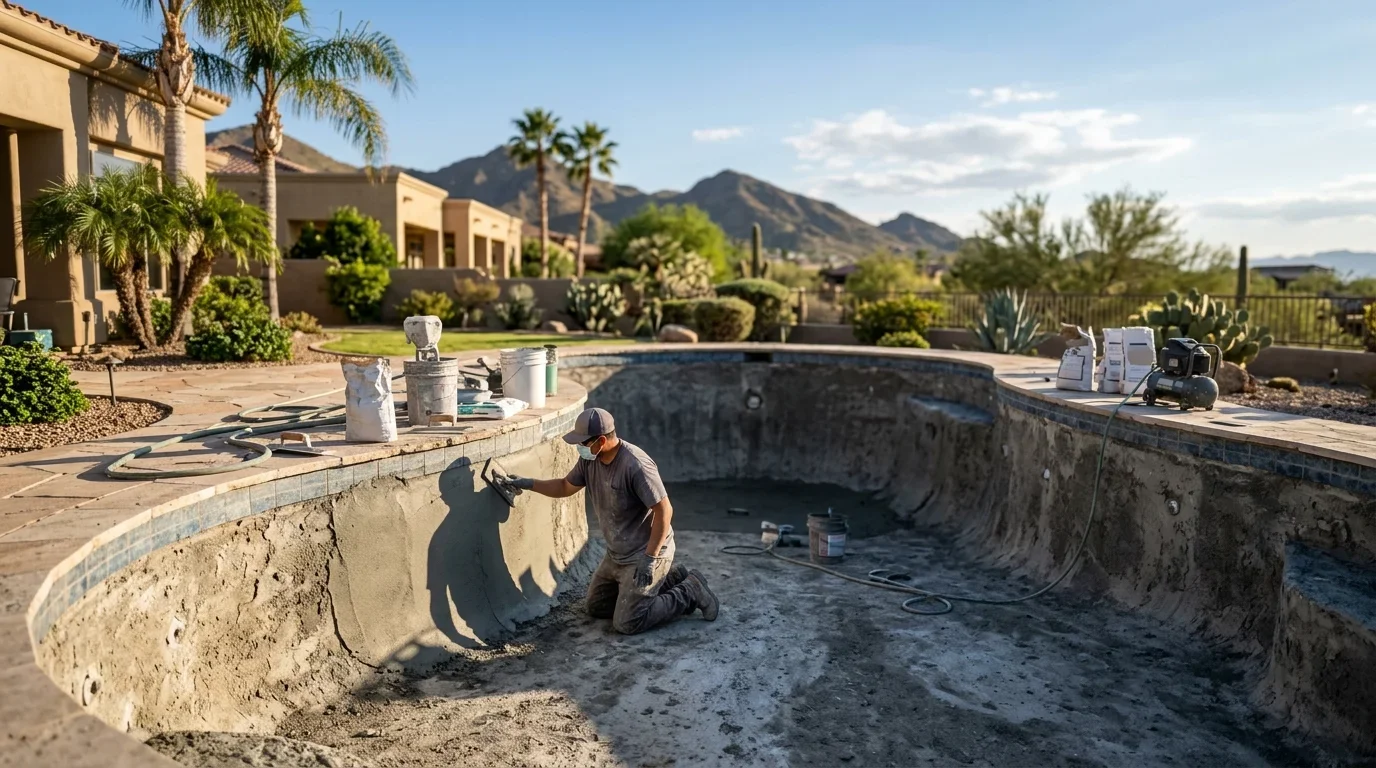
Fresh Surface. Smoother Pool. Licensed Hands.
A rough, stained, flaking pool interior won't fix itself, and the wrong hire costs more than the job. Resurfacing in Phoenix is a contractor decision.
01
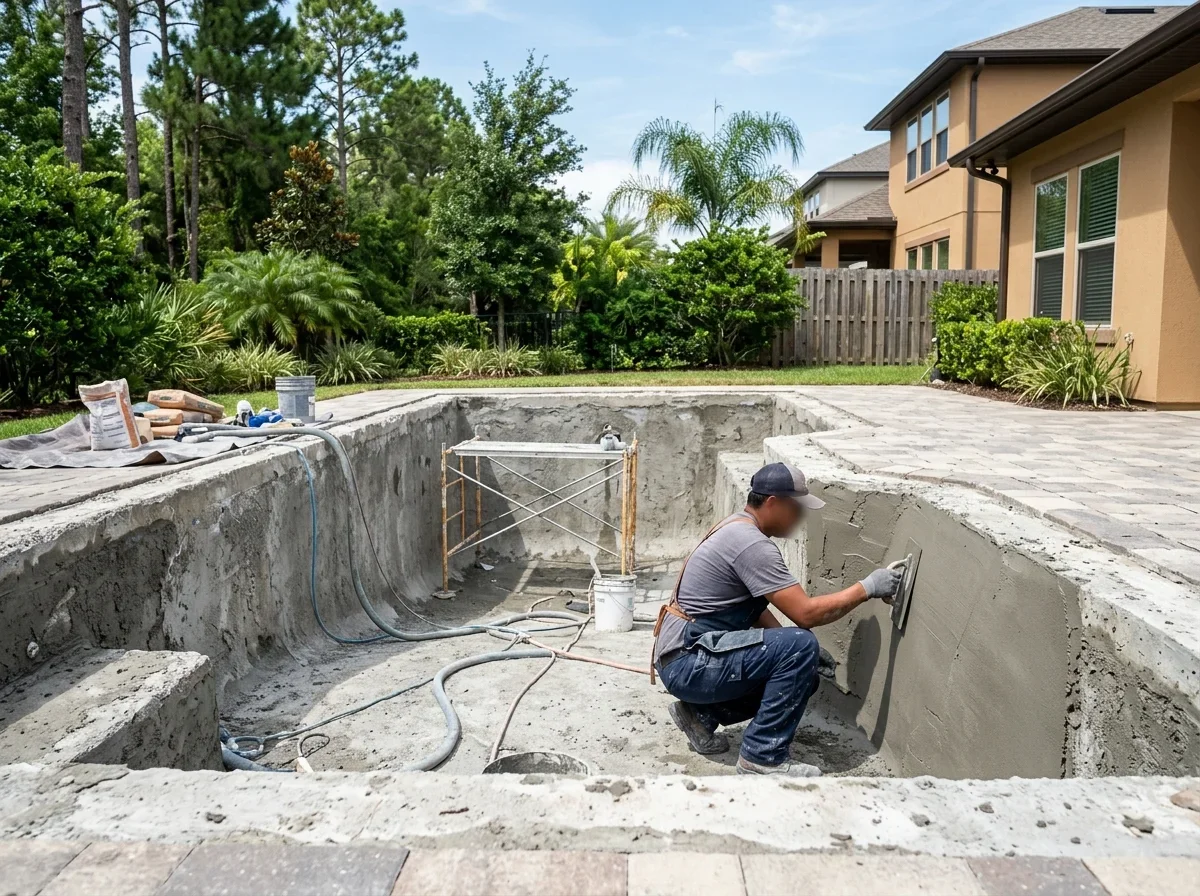
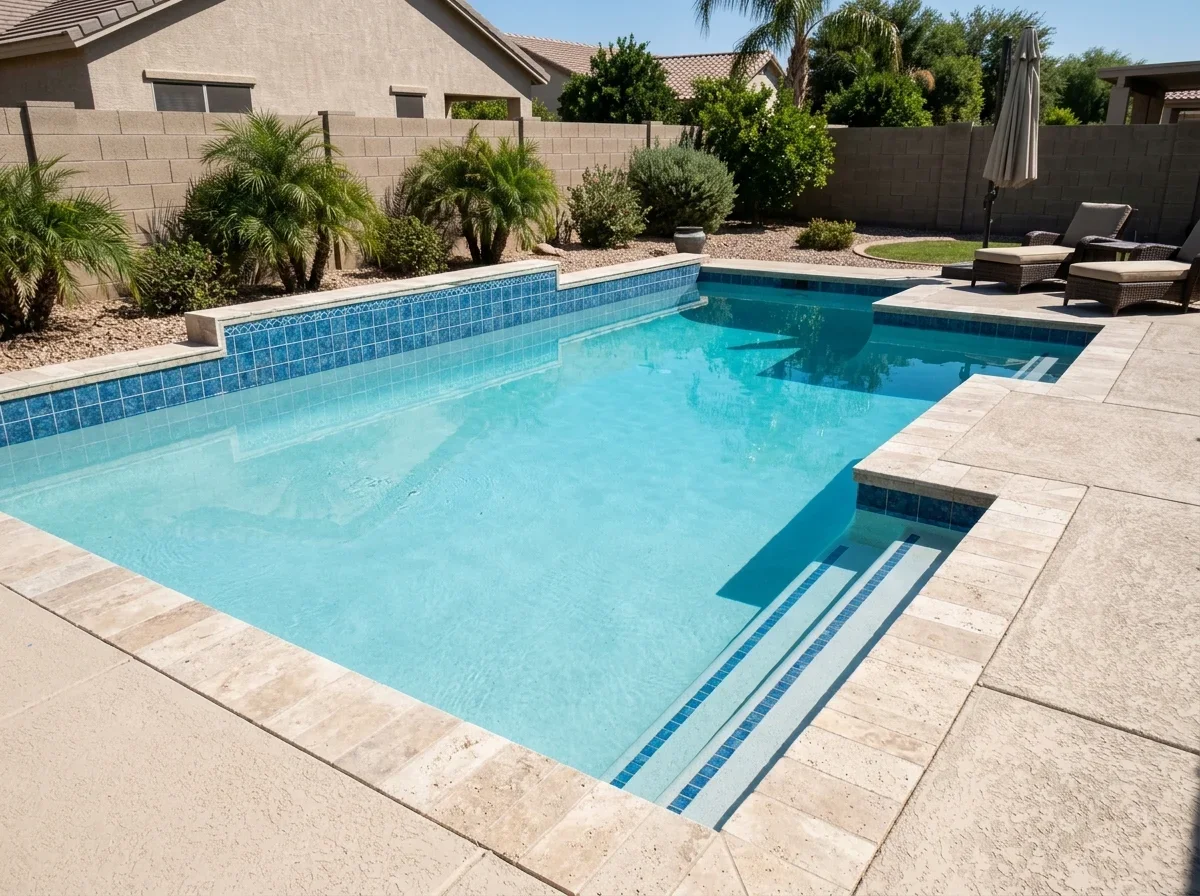
Resurfacing means draining the pool and replacing the worn interior with fresh plaster, quartz or pebble. It's a different job from a minor repair, and it's one you hire out.
Look for these signs:
Hollow-sounding spots or suspected leaks call for a professional assessment first. Ask a contractor in Phoenix, Mesa or Gilbert to inspect before you commit to a finish.
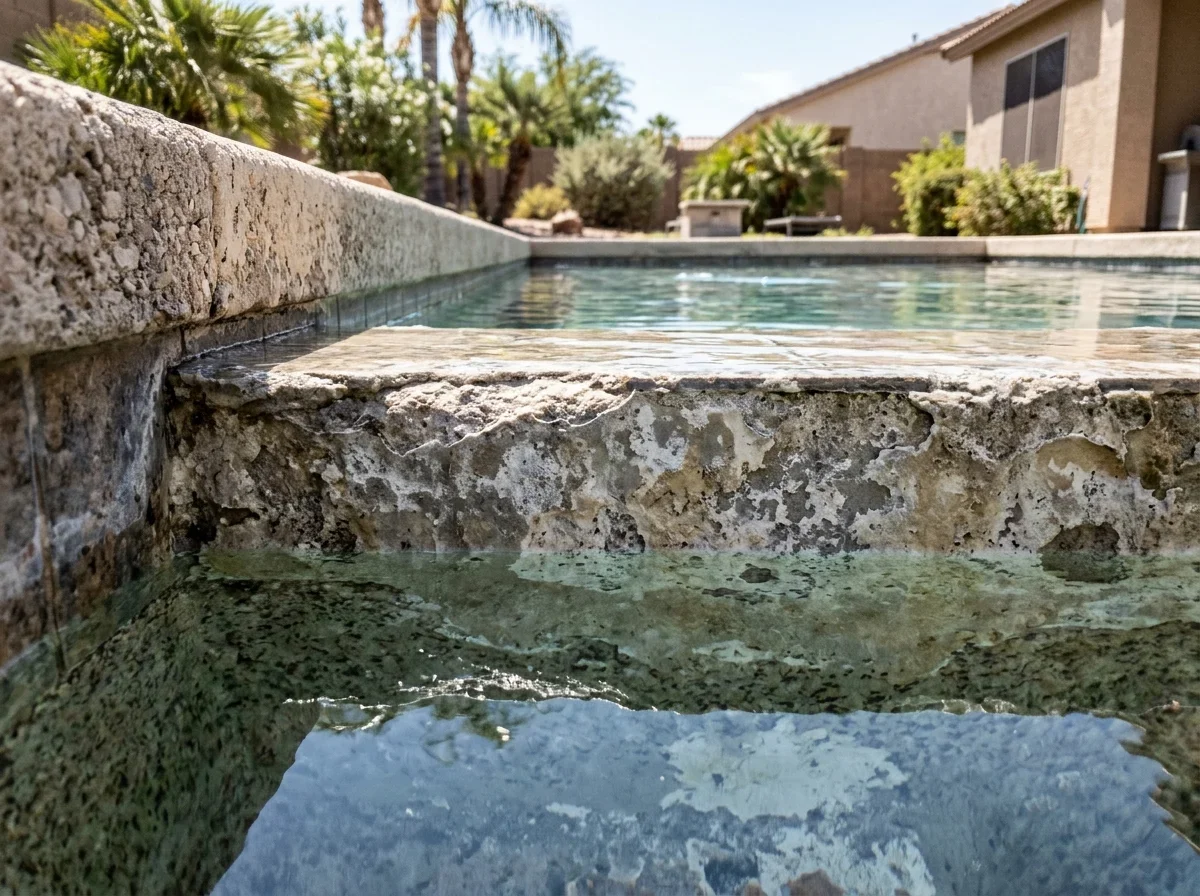
Waiting usually means a rougher surface, more prep and a bigger bill.
Sound familiar? Your pool surface is rough and blotchy. You scrubbed it and balanced the water. The stains came back and the texture got worse.
Find out what's behind the damage. See Cracks in Your Pool and Why Is My Pool Losing Water?.
02
Finish choice, pool size, prep work, tile and coping, and draining and startup all move the price. The figures below come from Phoenix-area pool companies' own websites, checked October 2026. Each line is one company's general guidance, not a quote.
Price factors
What moves the price
Finish choice
Pebble Tec costs more than standard plaster
Pool size
A larger surface needs more material and labor
Prep work
Surface condition changes the work needed before finishing
Tile and coping
Adding them lifts the range the most
Draining and startup
Both are part of the total job cost
| Job | Typical range printed on one Phoenix company's site |
|---|---|
| Standard plaster resurface | $4,500 to $7,000 |
| Pebble Tec finish resurface | $6,500 to $12,000 |
| Resurface with tile and coping | $12,000 to $25,000 |
Anything outside these rows, such as structural repairs found after draining, depends on the job. Get an itemized written quote.
Compare bids line by line. Arizona law requires a contractor to hold a license when a project is over $1,000 or needs a municipal permit.[1]
For a full breakdown, read pool resurfacing cost in Phoenix.
Finish also changes the feel and upkeep of your pool. The plaster vs. pebble pool finish comparison covers it.
03
Most jobs follow this sequence:
Step by step
Resurfacing in six steps
Pressure test
The pool is checked for leaks first.
Drain
The pool is emptied.
Prep the old surface
Worn finish is removed or prepared for bonding.
Tile and coping work
Damaged waterline tile and coping are fixed.
Apply the new finish
Plaster, quartz or pebble goes on.
Refill and start up
Fill, then follow startup care and water balancing.
Ask your contractor for the startup schedule in writing. Weather can stretch a job, so ask about timing when you sign.
Permits are the owner's responsibility unless your contract says otherwise. Settle this in writing before work starts.
City details for Phoenix are in Do You Need a Permit to Resurface a Pool in Phoenix?
04
Search the contractor on the ROC Contractor Search at roc.az.gov. Confirm the license is active, the class covers your job, and the bond and Recovery Fund status are in good standing.
Class matters. B-5, B-6, KA-5 and KA-6 cover broader pool work. R-6 and CR-6 cover service and minor repair, and R-6 excludes complete replacement of plaster or pebble interiors.
An R-6-only holder is outside scope for a full replaster, so confirm on the ROC record. The A-9 swimming pool classification also covers coating work like plaster, excluding tile.[2]
Ask these before hiring:
Checklist
Questions to ask before hiring
0 of 4 ticked
Tick them off as you go. Nothing is saved or sent.
Licensed contractors must list their license numbers in ads and customer documents.[1] Be wary of "licensed, bonded and insured" claims alone. See Is 'Licensed, Bonded and Insured' Enough in Arizona? and R-6, B-5 or KA-5.
Compare the featured resurfacing pros serving Scottsdale, Chandler, Tempe and beyond below.
Neither is universally better; the right choice depends on the pool's condition and your budget. Replastering (a standard plaster refresh) is the most common and cost-effective option when the existing surface is sound, while resurfacing with pebble or quartz finishes costs more but offers greater durability, a smoother feel, and more design choices. In the Phoenix area, where intense sun and hard water shorten plaster life, many owners choose a pebble or quartz upgrade when they are already paying for a refinish.
A licensed pool contractor can inspect the shell for cracks, delamination, or hollow spots before recommending either option.
Phoenix, AZ
 AExcellent
Serves the Valley
 AExcellent
Phoenix, AZ